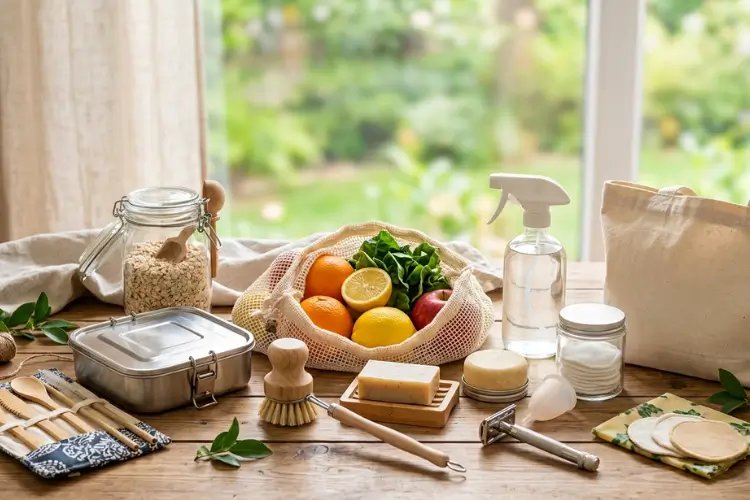
A zero waste swap is a reusable or lower-waste replacement for a single-use or disposable product think a bamboo toothbrush instead of a plastic one, or a beeswax wrap instead of plastic cling film.
This guide covers 25 practical swaps across the kitchen, bathroom, cleaning routine, and daily errands, with what each one costs, how it pays for itself, and where to start if you’re new to this.
Quick summary:
- 25 swaps organized by room: kitchen, bathroom, cleaning, and on-the-go
- Most swaps pay for themselves within 6–18 months through reduced repurchase costs
- You don’t need to buy all 25 at once one swap at a time still counts
- A cost-and-payback table and a beginner-friendly starting plan are included below
What “Zero Waste Swaps” Actually Means
A zero waste swap replaces something you throw away regularly with something you use, wash, and reuse instead. It’s not about achieving a perfectly empty trash can it’s about reducing the steady stream of single-use packaging and disposable products that make up most household waste.
According to the EPA, packaging and containers account for over 28% of municipal solid waste generated in the United States, which is exactly the category most of these swaps target.
Zero waste and “low waste” are often used interchangeably, but there’s a useful distinction: zero waste describes an ideal eliminating landfill-bound waste almost entirely while low waste describes the realistic, ongoing process of reducing it. Most people doing “zero waste swaps” are actually practicing low waste living, and that’s fine. Progress, not perfection, is the whole point.
Swaps are a great entry point, but they’re just one piece of the bigger picture. If you want to go deeper once you’ve got a few swaps in place, our guide to living a zero waste lifestyle covers the mindset and habits behind the products.
Kitchen Swaps
The kitchen is where most households generate the most single-use waste, so it’s the best place to start. Here are seven kitchen swaps worth trying first. For more ideas beyond this list, our zero waste kitchen tips guide has additional ways to cut waste in this room.
1. Reusable Produce Bags
Mesh or cotton produce bags replace the thin plastic bags at the grocery store for fruits, vegetables, and bulk bin items. They’re most worth it if you buy multiples of an item for a single onion, it’s not worth the hassle, but for a week’s worth of bulk grains or several loose vegetables, they save a meaningful stack of plastic. A set of 5–8 bags typically lasts years.
2. Beeswax Wraps
Beeswax-coated cotton wraps replace plastic cling film for covering bowls, wrapping sandwiches, or storing cheese and produce. The warmth of your hands molds them into shape, and after 6–12 months of regular use they can be composted. They don’t work for raw meat or very hot food, so keep a small amount of your old wrap on hand for those specific cases.
3. Dish Soap Bar
A solid dish soap bar replaces the plastic bottle of liquid dish soap. It cuts through grease just as effectively, lasts significantly longer per ounce than liquid soap, and comes in compostable or plastic-free packaging. One bar typically outlasts two to three plastic bottles.
4. Compostable Sponge or Wooden Dish Brush
Most kitchen sponges are made from polyurethane or polyester both petroleum-based plastics that shed microplastic fibers as they break down. A wooden-handled dish brush with natural bristles, or a compostable plant-fiber sponge, does the same job without shedding plastic into your dishwater.
5. Reusable Food Storage
Glass or stainless steel containers, or a set of silicone stretch lids, replace single-use plastic wrap and disposable takeout containers for storing leftovers. This is one of the higher-upfront-cost swaps, but the containers last for years and double as reusable takeout containers when you bring your own to a restaurant.
6. Cloth Napkins and Unpaper Towels
Cloth napkins and a stack of absorbent cloth “unpaper” towels replace paper napkins and paper towel rolls. The only real friction point is remembering to wash them a lot of people solve this by tossing used ones straight into the bottom of the washing machine so they’re automatically included in the next load.
7. Reusable Water Bottle and Filter
A durable water bottle, paired with a basic pitcher or faucet filter if your tap water needs it, replaces bottled water. This is one of the oldest and most cost-effective swaps in the entire zero waste movement Americans buy an average of about 13 bottled waters a month, so switching to a reusable bottle can eliminate roughly 156 plastic bottles per person, per year.
Bathroom and Personal Care Swaps
Personal care products get used up and repurchased faster than almost anything else in the house, which makes this category one of the highest-impact places to swap. For a deeper dive into this room alone, see our full guide to zero waste bathroom swaps.
8. Bamboo Toothbrush
A bamboo-handled toothbrush works exactly like a plastic one but has a compostable handle. Dentists recommend replacing your toothbrush every three months regardless of material, so this swap doesn’t change your routine it just changes what happens to the handle afterward.
9. Toothpaste Tabs
Chewable toothpaste tabs replace toothpaste in a plastic tube. You bite down, they turn into a paste with a bit of water, and you brush normally. They typically come in a glass jar or compostable pouch instead of a non-recyclable tube.
10. Shampoo and Conditioner Bars
Bar-format shampoo and conditioner replace the plastic bottles most households go through every few months. They come in bar, liquid-refill, or even powder form, and because they’re concentrated, a single bar often lasts as long as two or three bottles of liquid product. Not every formula works for every hair type, so expect some trial and error.
11. Safety Razor
A reusable metal safety razor replaces disposable plastic razors or cartridge razors with plastic-heavy refill heads. The upfront cost is higher, but replacement blades cost a fraction of cartridge refills and produce far less packaging waste over time.
12. Deodorant Refills or Paste
Refillable deodorant cases, or deodorant paste in a jar, replace standard stick deodorant in a plastic tube most of which isn’t accepted for recycling. Refill systems let you reuse the same case indefinitely and just replace the product inside.
13. Menstrual Cup or Period Underwear
A menstrual cup, reusable cloth pads, or period underwear replace disposable pads and tampons, which are typically made with synthetic materials and bleached fibers, and generate ongoing packaging waste with every cycle. This is one of the highest-impact swaps for people who menstruate, both financially and in terms of waste volume, though it does involve an adjustment period.
14. Silk or Plant-Based Floss
Conventional floss is often made from petroleum-based nylon and packaged in non-recyclable plastic containers. Silk floss with a natural, plant-based wax coating or a compostable corn-fiber alternative breaks down instead of persisting in landfill.
Cleaning Swaps
Cleaning is one of the easiest categories to tackle since most of these swaps cost little to nothing upfront. Pantry staples do most of the heavy lifting here, and our guide to cleaning with vinegar and baking soda covers the exact ratios that work best.
15. Reusable Cleaning Rags
Cut-up old T-shirts or a drawer of cloth rags replace paper towels and disposable cleaning wipes for spills and general cleaning. This is one of the lowest-cost swaps on this entire list, since most households already have old fabric they can repurpose for free.
16. Concentrated or Sheet-Format Laundry Detergent
Detergent sheets or concentrated pods replace the bulky plastic jug of liquid laundry detergent. A single box of sheets can eliminate the plastic jug for dozens of loads, and because they’re lightweight, they also reduce packaging and shipping weight. While you’re switching up what goes into the machine, it’s worth cleaning the machine itself too. Here’s a simple DIY washing machine cleaner that skips the single-use cleaning tablets.
17. Wool Dryer Balls
Reusable wool dryer balls replace disposable dryer sheets. They reduce static and soften laundry the same way, last for hundreds of loads, and produce zero per-load waste once you’ve bought them.
18. Refillable All-Purpose Cleaner
A reusable spray bottle paired with a refill pouch or concentrate tablet replaces buying a new plastic spray bottle of cleaner every time you run out. You keep the same bottle for years and just replace the concentrate.
Once you’ve got a refillable cleaner in rotation, the same DIY mindset extends well beyond countertops. Our guide on how to get rid of ants naturally swaps chemical sprays for pantry staples you likely already have.
On-the-Go and Shopping Swaps
These swaps live outside the house, so the biggest factor in whether they stick is simply remembering to bring them with you.
19. Reusable Shopping Bags
Durable tote bags, kept in your car or by the front door so you don’t forget them, replace single-use plastic grocery bags. Keeping them somewhere visible is the single biggest factor in whether this swap actually sticks. For more options beyond totes, see our roundup of eco-friendly alternatives to plastic bags.
20. Reusable Coffee Cup
Bringing your own cup to a coffee shop replaces the disposable cup and lid. Many workplaces and gyms now have refill stations too, which extends this swap beyond just coffee runs.
21. Bulk-Bin Jars and Containers
Glass jars or lightweight containers, brought to a bulk grocery or refill store, replace the individually packaged versions of grains, spices, and pantry staples. Refill stores and bulk sections have expanded significantly in recent years, making this swap more accessible than it used to be. Don’t have jars on hand yet? Old candle jars clean up easily and make great reusable containers for this.
22. Reusable Utensil and Straw Kit
A compact kit with a fork, spoon, and metal or silicone straw replaces the disposable versions handed out with takeout and drinks. Keeping it in a bag or car glovebox means it’s there when you actually need it.
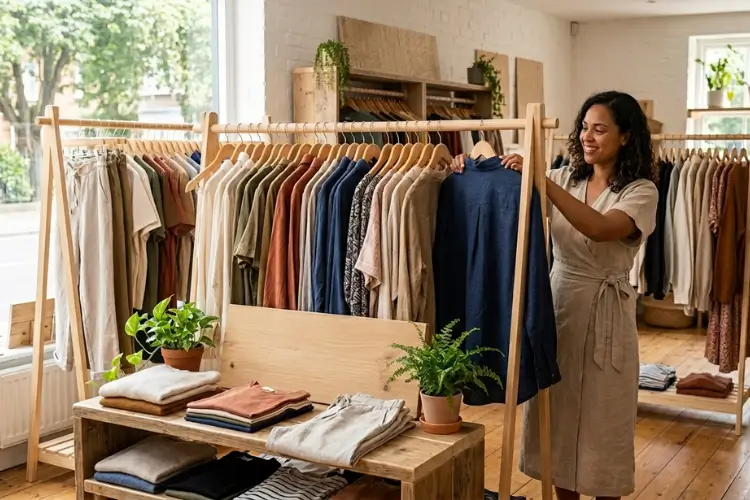
23. Secondhand First
Before buying anything new clothing, furniture, kitchen tools checking secondhand marketplaces or local thrift shops first reduces demand for new production and keeps usable items out of landfill. This isn’t a single product swap, but it’s arguably the highest-impact habit on this list, since it applies to nearly every category above.
24. Reusable Container for Restaurant Leftovers
Bringing your own container when you know you’ll have leftovers replaces the styrofoam or plastic clamshell most restaurants default to. It’s a small swap, but it adds up quickly for anyone who eats out regularly.
25. Reusable Lint Roller or Brush
A reusable rubber lint brush replaces the disposable adhesive-sheet lint roller. Friction from rubbing the brush against fabric creates static that pulls hair and lint off clothing, and it’s cleaned by simply wiping the bristles clean with your hand.
Comparison Table: Cost, Payback, and Difficulty
| Swap | Upfront Cost | Payback Time | Difficulty |
| Reusable water bottle | $15–$35 | 1–2 months | Easy |
| Reusable shopping bags | $10–$25 | 2–4 months | Easy |
| Cleaning rags | $0 (use old fabric) | Immediate | Easy |
| Dish soap bar | $6–$10 | 3–5 months | Easy |
| Wool dryer balls | $12–$20 | 4–6 months | Easy |
| Bamboo toothbrush | $8–$15 (4-pack) | 6–9 months | Easy |
| Beeswax wraps | $18–$30 | 6–9 months | Moderate |
| Reusable coffee cup | $15–$30 | 6–10 months | Easy |
| Shampoo/conditioner bars | $12–$20 each | 8–12 months | Moderate |
| Safety razor | $25–$45 | 10–14 months | Moderate |
| Menstrual cup | $25–$40 | 8–12 months | Moderate |
| Reusable food storage set | $40–$80 | 12–18 months | Moderate |
Payback time reflects roughly how long it takes for reduced repurchase costs to offset the initial price, based on typical U.S. retail pricing.
The 5 R’s Framework
Swaps are one piece of a broader framework that’s easier to apply once you know it:
- Refuse what you don’t need (free samples, plastic straws, junk mail)
- Reduce what you do need (buy less, buy intentionally)
- Reuse what you already have before replacing it
- Recycle what’s left, correctly and only when reuse isn’t possible
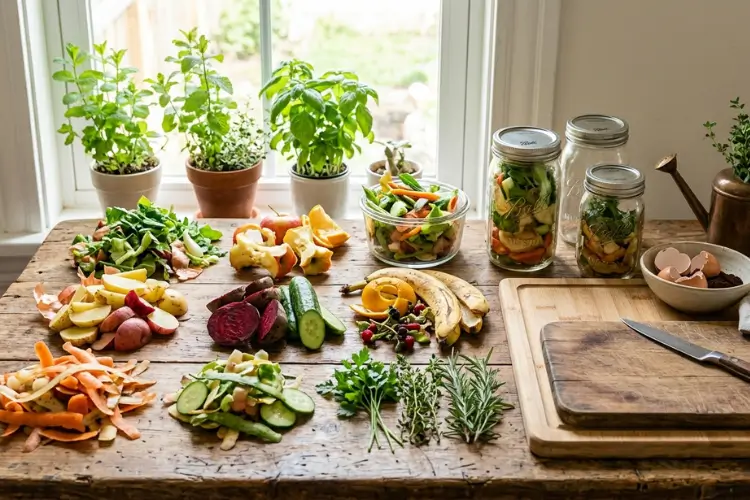
- Rot (compost) organic waste that can’t be reduced, reused, or recycled
Swaps mainly live in the “reduce” and “reuse” categories they’re the most visible part of the framework, but refusing and reducing consumption in the first place will always cut more waste than any product purchase.
How Much Do Zero Waste Swaps Cost?
Most swaps cost more upfront than their disposable counterparts, but less over time. The EPA reports that the U.S. recycles and composts only about 32% of its municipal solid waste well short of the agency’s own 61%-by-2030 target which is part of why source reduction (using less in the first place) is considered the most reliable strategy, rather than relying on recycling to catch up later.
| Stat | Source |
| Packaging and containers make up 28.1% of U.S. municipal solid waste | EPA |
| The U.S. recycles/composts only 32.1% of municipal solid waste | EPA |
| Americans buy about 50 billion water bottles a year — switching to a reusable bottle can save roughly 156 plastic bottles per person, per year | Earth Day |
The payback logic in one line: if a reusable swap costs 5–10x more than one disposable unit but replaces 50–500 disposable units a year, it pays for itself within months, not years, for most high-frequency items like water bottles, produce bags, and coffee cups.
How to Start Without Overwhelm
- Audit your trash for one week: Before buying anything, save or simply note everything you throw away for seven days. This tells you which category kitchen, bathroom, or cleaning is generating the most waste in your specific household, rather than guessing.
- Pick one swap: Choose whichever item you throw away most often. For most people, that’s produce bags, a water bottle, or paper towels. Starting with your highest-frequency item creates the fastest, most visible impact.
- Use up what you already have first: Don’t throw away a half-full bottle of shampoo to buy a bar. Finish your current product, then replace it with the reusable version when it runs out.
- Build the habit for 30 days: One swap takes about a month to become automatic remembering the tote bag, refilling the water bottle, washing the cloth napkins. Give it that long before adding a second swap.
- Add one new swap per month: At that pace, you’ll have worked through this entire list in just over two years, with every habit fully established rather than half-adopted and abandoned.
Common Mistakes to Avoid
- Throwing away usable items to replace them immediately. This creates more waste, not less: finish what you have first.
- Buying everything on this list at once. It’s expensive, overwhelming, and increases the odds you’ll abandon the effort within a month.
- Buying a swap you’ll never actually use. If you don’t drink coffee out, a reusable coffee cup isn’t your swap: pick items that match your actual daily habits.
- Treating recycling as the primary solution. Recycling infrastructure in the U.S. only processes about a third of municipal waste; swaps that reduce what you buy in the first place have a more reliable impact.
Confusion about what zero waste actually requires trips up a lot of beginners too. Our guide to common zero waste myths tackles the misconceptions we hear most often.
So Where Do You Start?
Zero waste swaps aren’t about a perfectly empty trash can they’re about steadily replacing the single-use items you go through most often with reusable ones that pay for themselves within months.
Start with one swap that matches your actual daily habits, use up what you already have before replacing it, and add a new swap roughly once a month. Twenty-five swaps sounds like a lot, but approached one at a time, it’s a two-year journey made entirely of small, low-friction decisions not an overnight overhaul.