TL;DR
- A group of lions is a pride. A group of crows is a murder. And it only gets weirder from there.
- These are called “collective nouns,” and most of them are older than the United States itself.
- Below is the full list: 101 animal group names, organized by category, with the story behind each one.
- Spoiler: nobody made these official. That’s actually the best part.
What Is an Animal Group Name Called?
A collective noun is the specific word used to describe a group of a particular animal. A pride of lions. A murder of crows. A parliament of owls.
That’s it. That’s the whole concept.
But here’s where it gets fun: these words weren’t handed down by a committee of scientists. They came from hunters, poets, and monks who spent way too much time watching animals and thinking, “You know what that looks like? A crash.”
So where did all 101 of these names actually come from?
Where Do These Names Come From?
Here’s the truth nobody tells you: most of these names are over 500 years old.
In 1486, a writer named Juliana Berners published a book called The Book of Saint Albans. It was mostly about hunting, hawking, and heraldry. But tucked inside was a list of “companies of beasts and fowls,” a catalog of collective nouns for the animals medieval hunters encountered most.
That list is the reason you know a “murder of crows” today.
Some of these terms are practical. A “labor of moles” makes sense once you’ve seen how much digging a mole colony does. Others are pure medieval humor. A “business of ferrets” sounds like an inside joke that stuck for 500 years, because it kind of is.
The U.S. Geological Survey has also compiled and preserved many of these terms as part of its wildlife terminology resources. So this isn’t just internet trivia. It’s language with a genuine paper trail.
Now let’s get to the list.
The Full List: 101 Animal Group Names (A-Z by Category)
I’ve organized these into five categories so you can actually find what you’re looking for instead of scrolling through 101 entries in a single alphabetical dump. Each one includes the most common alternate name (where one exists) and a quick note on why the term exists.
Mammals
| # | Animal | Group Name | Alternate Name | Why This Name? |
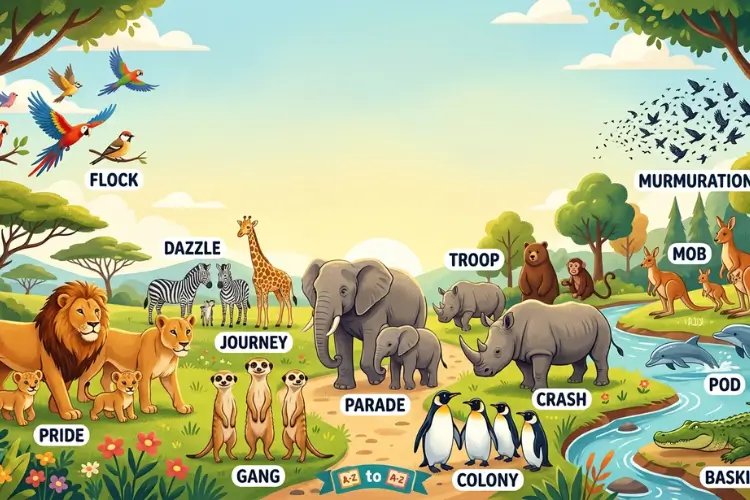
| 1 | Lions | Pride | — | Reflects the lion’s long association with dignity and status. |
| 2 | Wolves | Pack | Route (when traveling) | Describes their tight, cooperative social structure. |
| 3 | Elephants | Herd | Parade | A grand, unmistakable arrival, matching the animal itself. |
| 4 | Apes | Shrewdness | Troop | Coined in 1486 to describe their perceived cleverness. |
| 5 | Gorillas | Band | Troop | Reflects their close-knit family groupings. |
| 6 | Monkeys | Troop | Barrel | Monkeys live and travel in cooperative family units. |
| 7 | Bears | Sloth | Sleuth | An old term unrelated to the animal now called a sloth. |
| 8 | Foxes | Skulk | Leash | Describes their quiet, sneaking movement style. |
| 9 | Kangaroos | Mob | Troop | Kangaroos are highly social and travel together for safety. |
| 10 | Zebras | Dazzle | Herd | Their stripes blur together in motion, confusing predators. |
| 11 | Giraffes | Tower | Journey | An obvious nod to their height. |
| 12 | Rhinoceroses | Crash | Herd | A blunt, fitting name for a large, forceful animal. |
| 13 | Hippopotamuses | Bloat | Pod | Describes how the animals appear when grouped in water. |
| 14 | Leopards | Leap | — | Likely from the way leopards pounce from trees to hunt. |
| 15 | Tigers | Ambush | Streak | Reflects their solitary, stalking hunting style. |
| 16 | Hyenas | Cackle | Clan | Named for their distinctive, laughter-like call. |
| 17 | Mice | Mischief | — | Earned through centuries of household troublemaking. |
| 18 | Moles | Labor | — | Refers to the constant digging work of an underground colony. |
| 19 | Otters (land) | Romp | Family | Describes their playful, energetic group behavior. |
| 20 | Badgers | Cete | Colony | An old term with roots in medieval hunting vocabulary. |
| 21 | Ferrets | Business | — | No clear origin, likely just old-world wordplay. |
| 22 | Weasels | Confusion | Gang | Describes their quick, erratic group movement. |
| 23 | Mules | Pack | Span (a working pair) | Reflects their traditional use as load-carrying animals. |
| 24 | Porcupines | Prickle | — | About as literal as collective nouns get. |
| 25 | Skunks | Stench | Surfeit | You already know why. |
| 26 | Raccoons | Gaze | Nursery | An older, less common but still-used term. |
| 27 | Squirrels | Scurry | Dray (a nest specifically) | Describes their quick, darting movement. |
| 28 | Bats | Colony | Cauldron (in flight) | Large flying groups can resemble a swirling dark cloud. |
| 29 | Camels | Caravan | Flock | Reflects centuries of use in desert trade routes. |
| 30 | Buffalo | Gang | Herd | An old ranching-era term still used regionally today. |
Birds
| # | Animal | Group Name | Alternate Name | Why This Name? |
| 31 | Crows | Murder | — | Possibly tied to folklore linking crows to death. |
| 32 | Ravens | Unkindness | Conspiracy | Often confused with “murder,” but it’s a separate term. |
| 33 | Owls | Parliament | — | Ties into old associations between owls and wisdom. |
| 34 | Eagles | Convocation | — | A formal term matching the bird’s regal reputation. |
| 35 | Flamingos | Flamboyance | Stand | Named for the birds’ unmistakably vivid appearance. |
| 36 | Geese (grounded) | Gaggle | — | An onomatopoeia of their honking chatter. |
| 37 | Geese (in flight) | Skein | Wedge | A separate term used specifically for flying formations. |
| 38 | Ducks | Raft | Team (in flight) | Describes how they bob together on water. |
| 39 | Peacocks | Ostentation | Muster | Fitting for one of the most visually showy birds alive. |
| 40 | Falcons | Cast | — | An old falconry term for a released pair or group. |
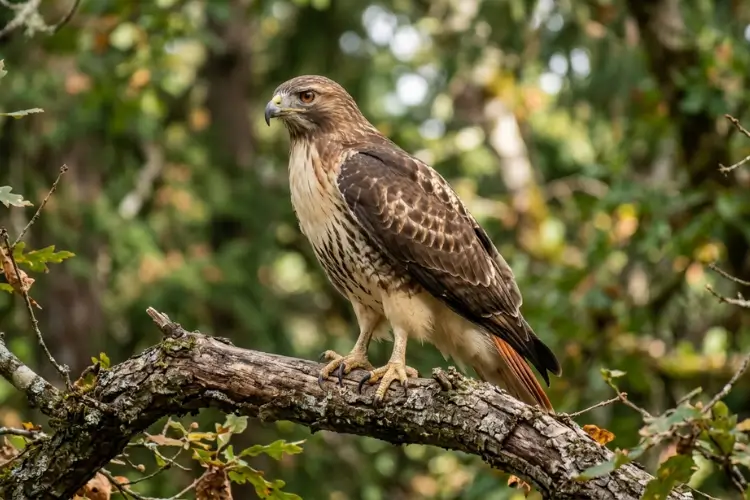
| 41 | Hawks | Kettle | Cast | Refers to large groups spiraling on rising air currents. |
| 42 | Swans | Bevy | Wedge (in flight) | An old English term for a small group or gathering. |
| 43 | Turkeys | Rafter | Gang | Describes wild turkeys roosting together. |
| 44 | Chickens | Peep | Brood | Named for the sound of young chicks. |
| 45 | Pelicans | Scoop | Pod | A nod to their distinctive feeding method. |
| 46 | Herons | Siege | — | Describes their still, patient hunting posture. |
| 47 | Larks | Exaltation | — | One of the most poetic collective nouns on this list. |
| 48 | Starlings | Murmuration | — | Named for the low, buzzing sound of thousands in flight. |
| 49 | Parrots | Pandemonium | Company | Reflects the noise level of a group of parrots. |
| 50 | Vultures | Committee | Kettle (in flight) | Describes them circling together while scavenging. |
Marine & Aquatic Animals
| # | Animal | Group Name | Alternate Name | Why This Name? |
| 51 | Fish | School | Shoal | From the Dutch word for a group, troop, or band. |
| 52 | Jellyfish | Smack | Bloom | Describes the sudden, dense clusters they form. |
| 53 | Dolphins | Pod | — | A tight, family-based social structure. |
| 54 | Whales | Pod | Gam | Whales travel and communicate within close family units. |
| 55 | Sharks | Shiver | Frenzy (when feeding) | Reflects their sleek, gliding movement in groups. |
| 56 | Manta rays | Squadron | Fever | Describes large gatherings during feeding events. |
| 57 | Eels | Bed | Swarm | Refers to how eels cluster together on the seafloor. |
| 58 | Octopuses | Consortium | — | A rare sight, since octopuses are typically solitary. |
| 59 | Sea otters | Raft | — | Sea otters link together at the surface to rest safely. |
| 60 | Crabs | Cast | — | An old term for a group moving along the shoreline. |
| 61 | Lobsters | Risk | — | Refers to their tendency to migrate together in lines. |
| 62 | Squid | Shoal | — | Mirrors the fish term, given similar group movement. |
| 63 | Stingrays | Fever | — | A vivid term for a large group swimming together. |
| 64 | Seahorses | Herd | — | A simple, functional term for their small groupings. |
| 65 | Clams | Bed | — | Named for the way they cluster along the seafloor. |
| 66 | Oysters | Bed | — | Shares its name with clam beds for the same reason. |
| 67 | Sea turtles | Bale | Turn | An old term whose exact origin is unclear. |
| 68 | Seals | Colony | Pod (in water) | Reflects large coastal breeding groups. |
| 69 | Walruses | Herd | — | Describes their large, tightly packed coastal groupings. |
| 70 | Starfish | Galaxy | — | Named for how a cluster resembles a star field. |
Reptiles & Amphibians
| # | Animal | Group Name | Alternate Name | Why This Name? |
| 71 | Alligators | Congregation | — | Reflects the way they gather in shared habitats. |
| 72 | Crocodiles | Bask | Float (in water) | Named for their habit of sunbathing together. |
| 73 | Snakes | Nest | Den (when overwintering) | Refers to shared shelter, not a social group by nature. |
| 74 | Lizards | Lounge | — | Fitting for an animal known for sunbathing in place. |
| 75 | Turtles | Bale | Turn | Shares roots with the sea turtle term. |
| 76 | Toads | Knot | — | An old term with no clearly documented origin. |
| 77 | Frogs | Army | Colony | Describes large seasonal gatherings near water. |
| 78 | Salamanders | Congress | — | Possibly from the Latin coetus, meaning “assembly.” |
| 79 | Iguanas | Mess | — | An older, less common but still-cited term. |
| 80 | Cobras | Quiver | — | A striking name for a genuinely striking animal. |
| 81 | Rattlesnakes | Rhumba | — | Named after the dance, for their distinctive movement. |
| 82 | Tortoises | Creep | — | Self-explanatory, given their pace. |
| 83 | Geckos | Colony | — | A general term used across many small lizard species. |
Insects & Invertebrates
If you’re dealing with an actual colony in your kitchen rather than just reading about one, here’s how to get rid of ants naturally. And once you’re done with the list below, it’s worth a look at the largest insect in the world, since a few entries on this table are a lot bigger than you’d expect.
| # | Animal | Group Name | Alternate Name | Why This Name? |
| 84 | Bees | Swarm | Hive (a home, not a group) | Refers to the mass movement of bees relocating together. |
| 85 | Ants | Colony | Army | Describes their large, highly organized communities. |
| 86 | Butterflies | Kaleidoscope | Rabble | Named for the visual burst of color in flight. |
| 87 | Locusts | Plague | Swarm | Tied to their historic, crop-destroying mass migrations. |
| 88 | Cockroaches | Intrusion | — | A blunt term matching how most people feel about them. |
| 89 | Beetles | Cluster | — | A general term covering many beetle species. |
| 90 | Ladybugs | Loveliness | — | One of the most charming names on this entire list. |
| 91 | Wasps | Nest | Pack | Refers to their shared, defended living structure. |
| 92 | Spiders | Clutter | — | Describes the tangled look of a shared web space. |
| 93 | Fireflies | Sparkle | — | A poetic nod to their glowing flight pattern. |
| 94 | Grasshoppers | Cloud | — | Refers to large groups seen during migration. |
| 95 | Mosquitoes | Scourge | Swarm | Reflects both their behavior and their reputation. |
| 96 | Caterpillars | Army | — | Describes their coordinated group feeding pattern. |
| 97 | Snails | Walk | Rout | An old, slow-moving term for a slow-moving animal. |
| 98 | Worms | Bunch | Clew | A general, functional collective noun. |
| 99 | Crickets | Orchestra | — | Named for the layered sound of a group chirping. |
| 100 | Moths | Rabble | Eclipse | Describes the chaotic pattern of moths near light. |
| 101 | Termites | Colony | — | Reflects their massive, highly structured communities. |
15 Strangest and Most Surprising Animal Group Names
Some of these names are functional. Others are just plain weird. Here’s the truth: these are the ones people actually remember.
- A murder of crows: Still the most famous collective noun in the English language.
- A parliament of owls: Sounds like it should come with voting rights.
- A shrewdness of apes: A 500-year-old compliment.
- A business of ferrets: No explanation has ever fully made sense of this one.
- A cackle of hyenas: The rare collective noun that’s basically onomatopoeia.
- A crash of rhinos: Blunt, loud, and completely accurate.
- A tower of giraffes: Simple, and somehow still funny every time.
- A romp of otters: One of the few terms that genuinely matches the vibe.
- A confusion of weasels: Describing chaos with a word that sounds chaotic.
- An exaltation of larks: More poem than dictionary entry.
- A murmuration of starlings: Also describes the swirling shape they make in flight.
- A pandemonium of parrots: If you’ve ever owned one, this needs no further explanation.
- A loveliness of ladybugs: The gentlest entry on this entire list.
- A rhumba of rattlesnakes: Named after a dance, for an animal you should never dance near.
- A galaxy of starfish: Proof that even scientists get a little poetic sometimes.
What Do You Call a Group of Baby Animals?
Baby animals get their own set of collective nouns, and most of them are just as old as the adult versions.
- Litter: used for puppies, kittens, and most mammal offspring born in multiples.
- Clutch: used for a group of eggs, or newly hatched birds and reptiles.
- Brood: used for young birds, especially chickens, still under a parent’s care.
- Kindle: used specifically for a group of baby rabbits.
- Fry: used for newly hatched fish.
- Kits: used for baby foxes, rabbits, and beavers.
Are Animal Group Names Official?
Here’s the honest answer: no.
There is no scientific body, no zoological committee, and no official dictionary that certifies these terms. They’re what linguists call “terms of venery,” a category of language that grew out of medieval hunting and courtly tradition, not biology.
That means you’ll sometimes see two different sources list two different names for the same animal. Both can be correct. Neither is more “official” than the other.
So use them with confidence, but don’t correct someone at a dinner party over it. That’s not really what these words are for.
It’s not the only place things aren’t quite what they seem, either. We’ve cleared up a few Bell Pepper Myths before, and it turns out some vegetables that are actually fruits too.
Quick-Reference Cheat Sheet
Bookmark this one. It’s the 20 you’ll actually use in conversation.
| Animal | Group Name |
| Lions | Pride |
| Wolves | Pack |
| Crows | Murder |
| Owls | Parliament |
| Elephants | Herd |
| Fish | School |
| Geese (flying) | Skein |
| Zebras | Dazzle |
| Giraffes | Tower |
| Flamingos | Flamboyance |
| Rhinos | Crash |
| Apes | Shrewdness |
| Otters | Romp |
| Larks | Exaltation |
| Starlings | Murmuration |
| Jellyfish | Smack |
| Ferrets | Business |
| Peacocks | Ostentation |
| Hyenas | Cackle |
| Ravens | Unkindness |
What 500 Years of Weird Words Taught Me
I compiled this list expecting a straightforward word roundup. What I didn’t expect was how much history was sitting inside it.
Every strange term on this page was once someone’s honest attempt to describe what they saw. A crash of rhinos. A tower of giraffes. A parliament of owls holding court in a tree.
Five hundred years later, we’re still using their words. That’s a pretty good run for a hunting manual.
If this scratched the trivia itch, we’ve got more where it came from, including a full list of animal unusual facts that may surprise you, plus a look at the worlds oldest living trees still standing today.
Which one surprised you the most? I’d genuinely love to know.